
Categoriestrading6

Understanding Forex Trading Patterns A Comprehensive Guide 1950219344

Understanding Forex Trading Patterns A Comprehensive Guide 1950219344

Understanding Forex Trading Patterns: A Comprehensive Guide

In the world of forex trading, recognizing patterns is crucial for making informed trading decisions. By understanding these patterns, traders can predict potential market movements and enhance their trading strategies. One method to gain insight into the forex market is through the use of patterns—reliable signals that indicate market trends and reversals. In this article, we will explore various forex trading patterns, their interpretations, and how you can incorporate them into your trading approach. For those interested in trading forex in Uzbekistan, check out the forex trading patterns Forex Brokers in Uzbekistan.

What Are Forex Trading Patterns?

Forex trading patterns are formations created by the price movements of a currency pair over time. These patterns are typically identified on price charts and can be categorized into two main types: reversal patterns and continuation patterns.

Reversal Patterns

Reversal patterns indicate a shift in the prevailing trend. They signal that the current trend (upward or downward) is likely to reverse, leading to potential trading opportunities. Here are some widely recognized reversal patterns:

Head and Shoulders

The head and shoulders pattern is one of the most reliable reversal patterns in the forex market. It consists of three peaks: a higher peak (head) between two lower peaks (shoulders). The pattern indicates a potential reversal from a bullish trend to a bearish trend. Likewise, the inverse head and shoulders pattern signals a reversal from bearish to bullish.

Double Top and Double Bottom

A double top pattern forms after an upward trend when the price hits a resistance level twice before declining, indicating a bearish reversal. Conversely, a double bottom pattern arises following a downtrend when the price reaches a support level twice before rising, suggesting a bullish reversal.

Continuation Patterns

Continuation patterns signal that the prevailing trend is likely to continue after a brief consolidation period. These patterns are essential for traders looking to ride the momentum of established trends. A few common continuation patterns include:

Flags and Pennants

Flags and pennants are short-term continuation patterns. A flag pattern resembles a rectangle that slopes against the prevailing trend, while a pennant is a small symmetrical triangle that forms after a price impulse. Both patterns indicate a continuation of the preceding trend once the price breaks out.

Triangles

Triangle patterns (ascending, descending, and symmetrical) occur when the price consolidates between converging trendlines. Depending on the type of triangle, they signal a potential breakout direction. Ascending triangles generally indicate bullish continuation, while descending triangles suggest bearish continuation.

How to Identify Forex Trading Patterns

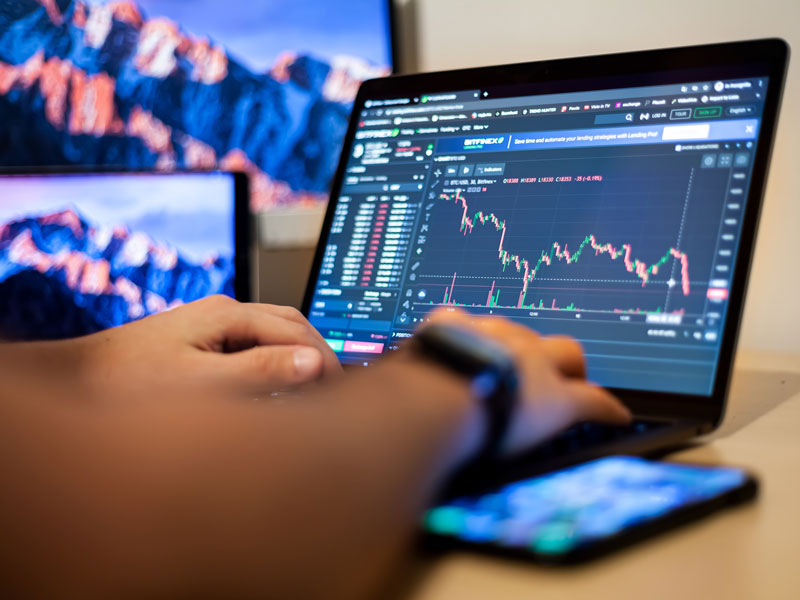
Identifying trading patterns requires a keen eye and experience. Here are steps traders can follow to spot patterns effectively:
Understanding Forex Trading Patterns A Comprehensive Guide 1950219344

1. Use Reliable Charts

Utilize candlestick charts, as they provide detailed information about price movements. Pay attention to the size, shape, and position of candlesticks to understand market sentiment.

2. Analyze Time Frames

Patterns can appear on various time frames (e.g., daily, hourly, 15-minute). Choose a time frame that suits your trading strategy. Longer time frames generally provide more reliable patterns.

3. Look for Confirmation

Patterns should not be traded in isolation. Look for confirmation through additional signals such as volume spikes, technical indicators (e.g., RSI, MACD), or news events that may influence price action.

Incorporating Patterns into Your Forex Trading Strategy

Once you have a solid understanding of trading patterns, you can incorporate them into your trading strategy. Here are some tips to consider:

1. Develop a Trading Plan

Establish a clear trading plan that outlines how you will use patterns in your trading. Include entry and exit points, risk management strategies, and profit targets.

2. Practice with a Demo Account

Before trading with real money, practice identifying and trading patterns in a demo account. This practice will help build confidence and improve your pattern recognition skills.

3. Stay Informed

The forex market is influenced by economic news and geopolitical events. Staying updated on relevant news can provide context for the patterns you observe and improve your trading decisions.

Final Thoughts

Forex trading patterns are valuable tools for traders seeking to understand market dynamics and enhance their trading strategies. By recognizing various patterns and understanding their implications, you can make more informed trading decisions. As you continue to learn and practice, incorporating these patterns into your trading approach will help you navigate the forex market more effectively. Always remember, successful trading requires continuous learning and adaptation.

For those exploring the forex market in Uzbekistan, it’s essential to choose a reliable broker. Look for platforms that offer effective resources, educational materials, and robust security features to enhance your trading experience.

Categoriestrading6

How to Effectively Manage Your Exness Account 6

How to Effectively Manage Your Exness Account 6

How to Effectively Manage Your Exness Account

Managing your Exness account efficiently is crucial for maximizing your trading experience and optimizing your financial outcomes. In this article, we will explore various strategies to effectively manage your account, ensuring that you can navigate through the complexities of trading with ease and confidence. For additional resources and tools, feel free to check out Manage Exness Account https://tradingplatform-hk.com/.

Understanding Exness: A Brief Overview

Exness is a popular online trading platform that offers a wide range of financial instruments, including forex, cryptocurrencies, commodities, and indices. Founded in 2008, Exness has grown to become one of the leading forex brokers in the world, thanks to its user-friendly interface, low spreads, and robust trading conditions. The platform is regulated in multiple jurisdictions, providing traders with a sense of security.

Creating Your Exness Account

Before you can manage your Exness account, you need to set it up. The registration process is relatively straightforward. Here’s how to create your account:

  1. Visit the Exness Website: Navigate to the official Exness website and click on the ‘Register’ button.
  2. Fill Out the Registration Form: Provide the required personal information, such as your name, email address, and phone number.
  3. Verify Your Identity: Complete the identity verification process by submitting the necessary documents, such as a passport or driver’s license.
  4. Set Up a Trading Account: Choose the type of trading account that suits your needs. Exness offers several account types, including Standard, Pro, and Cent accounts.
  5. Make Your First Deposit: Fund your account using one of the available deposit methods, such as credit/debit cards, e-wallets, or bank transfers.

Setting Up Your Trading Environment

Once your account is created, the next step is to set up your trading environment. Here are some key aspects to consider:

1. Choose Your Trading Platform

Exness offers various trading platforms, including MetaTrader 4 (MT4), MetaTrader 5 (MT5), and a web-based platform. Choose the one that best fits your trading style and preferences.

2. Configure Your Trading Settings

Customize your trading settings within the platform. Set up your leverage, lot size, and risk management parameters based on your trading strategy.

3. Practice with a Demo Account

Before diving into real trading, consider practicing with a demo account. This will help you familiarize yourself with the platform’s features and test your strategies without any financial risk.

Strategies for Managing Your Exness Account

How to Effectively Manage Your Exness Account 6

Now that you have your account set up, let’s discuss some effective strategies for managing it efficiently:

1. Maintain a Trading Journal

Keeping a trading journal is an excellent way to track your progress and identify patterns in your trading behavior. Document your trades, including entry and exit points, reasons for taking the trade, and the outcomes. This practice will help you learn from your successes and mistakes.

2. Regularly Review Your Performance

Periodically review your trading performance to assess your strengths and weaknesses. Analyze your win/loss ratio, average profit/loss per trade, and other key metrics. Use this information to refine your trading strategy.

3. Set Realistic Goals

Establish clear, realistic trading goals based on your risk tolerance and financial situation. Setting achievable targets will help you stay focused and motivated while reducing the likelihood of emotional decision-making.

4. Practice Risk Management

Effective risk management is vital in trading. Ensure that you never risk more than a small percentage of your trading capital on a single trade. Use stop-loss orders to protect your investments and minimize potential losses.

5. Keep Learning and Adapting

The financial markets are constantly evolving, so it’s essential to stay informed about market trends, news, and economic indicators. Continuously educate yourself by reading books, attending webinars, and participating in trading courses.

Withdrawals and Deposits

Managing your finances is a crucial part of your Exness account. Here’s how to handle deposits and withdrawals:

1. Making Deposits

Exness offers a variety of fast and secure deposit options. Choose the method that works best for you, and be aware of any associated fees. The minimum deposit amount may vary depending on the account type and payment method.

2. Withdrawal Process

Withdrawing your funds is straightforward with Exness. Ensure your identity verification is complete before requesting a withdrawal. Choose your preferred withdrawal method, keep in mind that processing times may vary, and check for any withdrawal fees.

Conclusion

In conclusion, managing your Exness account effectively requires a combination of proper setup, strategic planning, and ongoing education. By following the guidelines outlined in this article, you can enhance your trading experience, minimize risks, and maximize potential profits. Remember that trading is not just about making money; it’s about making informed decisions and having the discipline to stick to your trading plan. Happy trading!