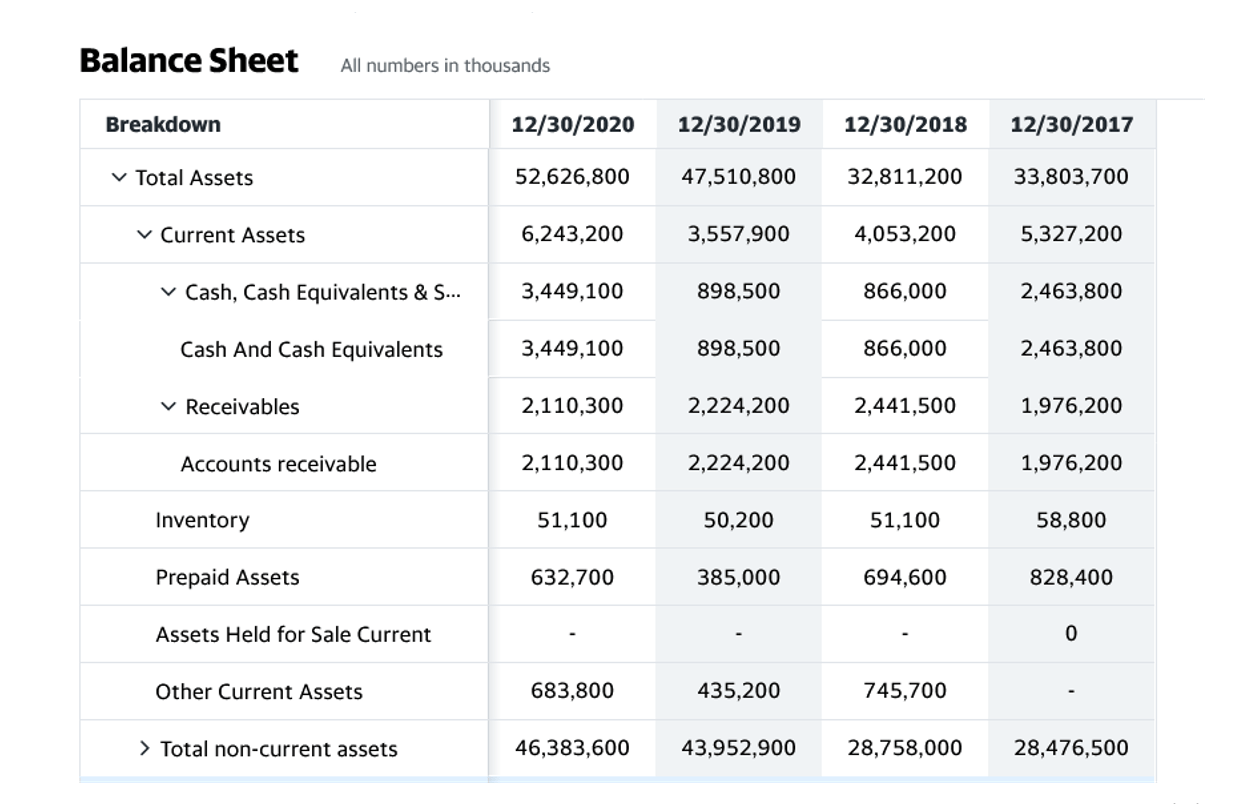
At Eisen, we are committed to simplifying the escheatment process for financial institutions. Our Escheatment Hub automates key aspects of managing outstanding checks, ensuring effortless and reliable compliance. Here are some of the features that make Eisen an invaluable partner in your compliance efforts. Companies must reflect these liabilities in their financial statements to provide a fair view of their financial health and maintain compliance, avoiding potential penalties. Outstanding checks need to be subtracted from the bank statement balance during the bank reconciliation process to adjust for the actual available balance correctly.
Fundamentals of Outstanding Checks: Financial Accounting Basics Quiz

Before diving in any further, if this is your first time visiting outstanding checks definition GlobalBanks, don’t forget to download your FREE US Banking Starter Guide. It’s designed to help non-residents with opening bank accounts at top financial institutions in the US. This process is part of the accounting cycle, allowing the company to accurately report cash, a current asset, on its balance sheet. If you wrote a check and it has been outstanding for a while, you may be wondering, “Do checks expire? ” They do expire and that’s why it’s important to record the date you wrote the check.
Ways to Avoid and Manage Outstanding Checks

The check register includes details such as the check number, date of issuance, payee, and the amount of the check. By maintaining an organized and up-to-date check register, companies can easily identify outstanding checks and reconcile https://brianscottcraig.com/31-best-sites-for-remote-bookkeeping-jobs/ them with the bank statement. Outstanding checks are typically identified as part of the bank account reconciliation process. This is why your bank accounts need to be reconciled with the bank statement.
What are the risks associated with outstanding checks?
This transparency, mandated by GAAP and IFRS, is crucial for reflecting a company’s true financial health. The term outstanding checks refers to those checks that have been recorded by a company as being written, but not yet cleared and posted to the account’s statement by the company’s bank. On the payor side, it creates the need to carefully track uncashed checks so that money doesn’t get spent on other things. However, if your budget is handled appropriately and all checks are marked as pending, you’ll know not to spend that money. It is imperative for an issuer to provide payees with timely communication regarding the issuance of a check as well as any pertinent details as soon as possible.
Additionally, if adjusting entries a check is not returned to the bank after payment, it is also categorized as an outstanding check. Outstanding checks can create an illusion of liquidity by inflating the cash balance reported in bank statements. This misrepresentation can lead to poor financial decisions, such as overcommitting resources, which may strain cash reserves when the checks are eventually cashed.
- Understanding their implications is crucial for businesses and individuals to maintain accurate financial records.
- Overall, understanding the concept of outstanding checks is crucial for accurate financial reporting and cash management.
- Put the date of the check, the amount, the payor, and the check number in your ledger that came with the checkbook.
- Like business checks, personal checks are generally considered invalid after six months (180 days).