
The manual reconciliation process for these payments can be labour-intensive, increasing the likelihood of delays. Delays in processing these payments not only inconvenience recipients but can also strain relationships with suppliers and impact the business’s reputation. Moreover, errors in mass payments can lead to overpayments or underpayments, creating further complications. https://www.bookstime.com/ Even though this is one of the key reasons for performing payment reconciliations in the first place, it can also be a problem when completing the process.
How Does Payment Reconciliation Process Work?
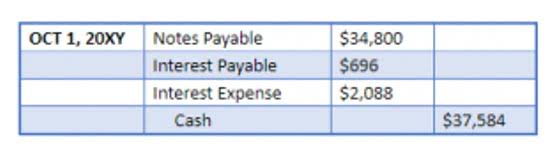
Once all discrepancies are payment reconciliation resolved, the ending balance in the accounting system should match the ending balance on the bank statement (or other relevant external record). Document the reconciliation process, including any adjustments made and explanations for discrepancies. Reconciling payment data can be a tedious and time-consuming process when completed by hand.
Human error
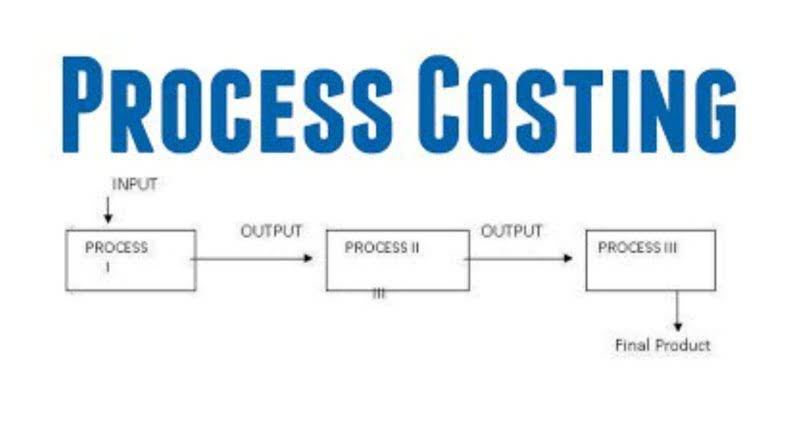
For example, if reconciliation errors persist in specific areas, such as digital wallet transactions, implementing additional automation or revising policies may be required. One of the fundamental steps in ensuring smooth payment reconciliation is to establish clear and transparent policies. These policies serve as the backbone of the reconciliation process, providing a standardised framework that all can follow. By adhering to defined procedures, businesses add authority to the entire reconciliation process, reducing the likelihood of errors and discrepancies. Clear policies also help in training new employees and ensuring that everyone understands their roles and responsibilities in the reconciliation process.
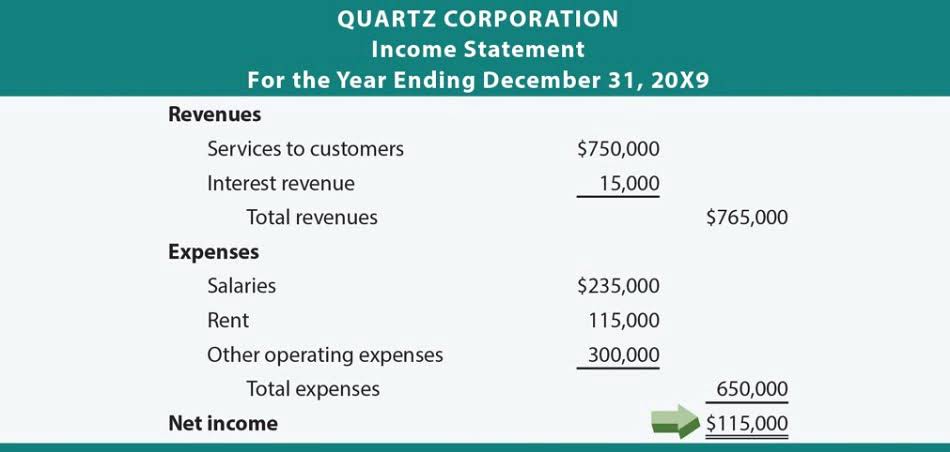
Step 3: Identifying Discrepancies
- Regardless of your business type or industry, Payneteasy can provide you with the payment solution that will fit your specific needs.
- Download our data sheet to learn how you can prepare, validate and submit regulatory returns 10x faster with automation.
- Payment reconciliation is an integral process for every business that accepts payments for goods and services.
- The result may be delays in payment date for mass payments made to suppliers and payouts to independent contractors like freelancers, publishers, and affiliates.
- In single-entry bookkeeping, every transaction is recorded just once rather than twice, as in double-entry bookkeeping, as either income or an expense.
- Instead, employees can direct their efforts toward resolving more significant discrepancies that have a more substantial impact on financial accuracy.
- Payment reconciliation provides benefits whether performed separately for each bank account and payment method or automated for all payment methods in a mass global batch payment run using a payment reconciliation system.
The next step for each identified discrepancy is investigating and resolving the issue. This may involve reviewing original documentation, contacting vendors, customers, or financial institutions for clarification, correcting data entry errors, or adjusting the accounting records. Ongoing reconciliation promptly identifies errors and potential fraud, preventing these issues from snowballing into more significant problems. Frequent reconciliation increases the likelihood of closing financial books on time, ensuring that financial reports are always up to date.
One way to accomplish this is by working with a provider that maintains their own suite of solutions and unearned revenue tools according to cutting-edge technological standards. See how forward-thinking finance teams are future-proofing their organizations through AP automation. Automation promptly highlights outstanding invoices, enabling businesses to take timely action and avoid late fees or missed payments.
- For instance, if a business invoices a client for Rs 1,00,000 payment reconciliation ensures that the corresponding Rs 1,00,000 payment is recorded correctly in both the company’s books and the bank’s records.
- Payment reconciliation may be a behind-the-scenes activity, but it plays a front-and-center role in determining business success.
- In the long term, these financial blind spots can erode profit margins, damage business relationships, and limit growth opportunities.
- Additionally, manual processes require much more time and energy to maintain as AP teams must navigate multiple platforms to track invoice payments and bills.
- At the same time, an automated reconciling tool provides a clear view of all the company’s transactions and closing balances.
- Automation can easily accommodate this growth, ensuring that reconciliation remains efficient and effective.
Best Practices for Payment Reconciliation

A great starting point is to learn about which processes can be automated and how to efficiently streamline tasks–you can find everything you need in our AP Survival Guide downloadable eBook. Barbara is a financial writer for Tipalti and other successful B2B businesses, including SaaS and financial companies. She is a former CFO for fast-growing tech companies with Deloitte audit experience. When she’s not writing, Barbara likes to research public companies and play Pickleball, Texas Hold ‘em poker, bridge, and Mah Jongg. With the seeming simplicity of reconciliations, they can pose some challenges for business owners.